Community stories

Behind every application is a person waiting.

These are made-up people in common situations. Each story shows the trips, costs and delays that a missing letter causes, and what changes when the council works online.

The people in these stories are illustrative. Their situations are common ones.

01

The 40-kilometre letter

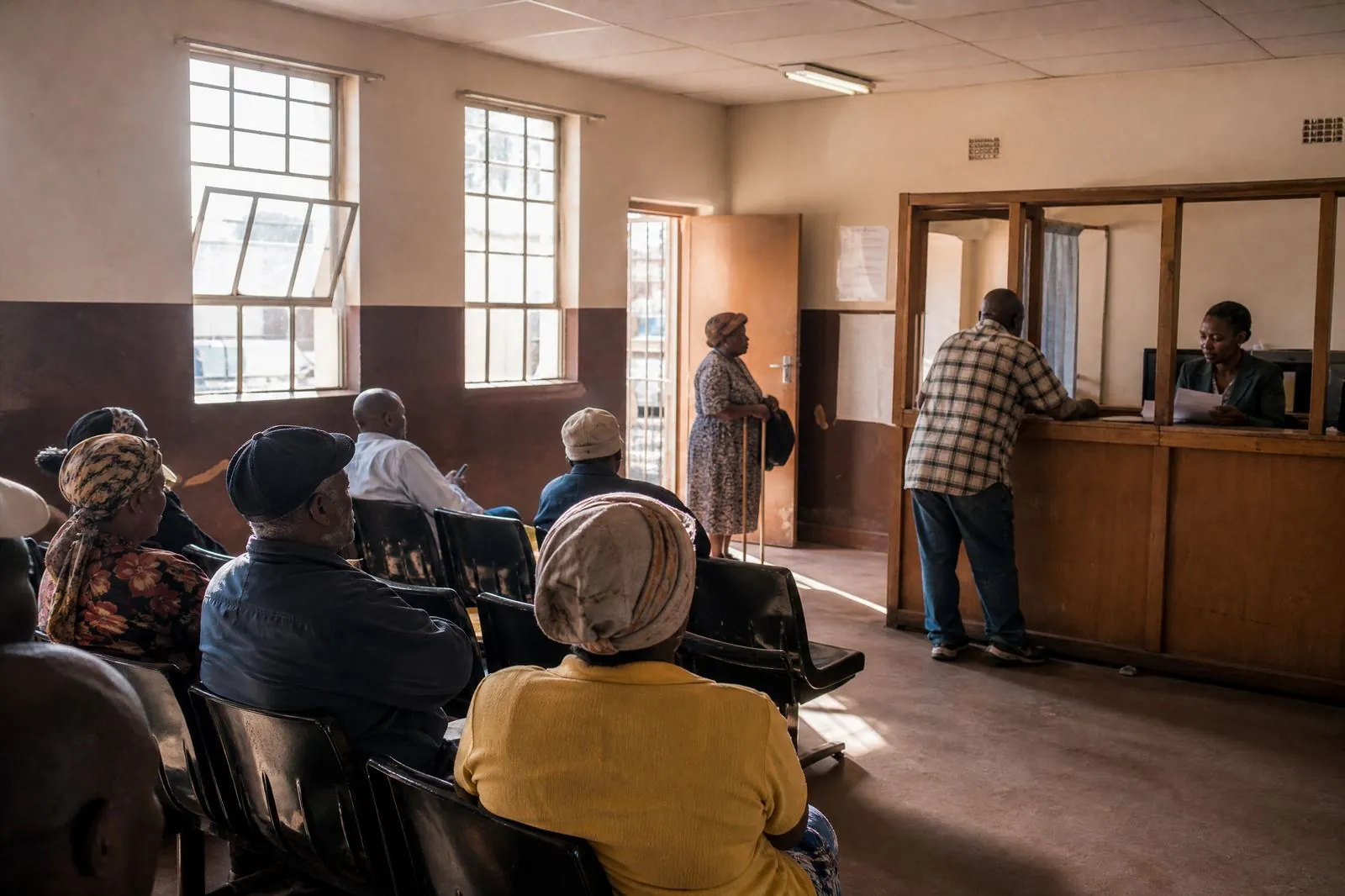
Mma Thabo is 67 years old. She lives in a village 40 kilometres from the nearest Traditional Council office. She needs a proof-of-residence letter to apply for her old-age grant. She wakes at 5 a.m., walks to the taxi rank, and pays R38 for a one-way trip. She arrives at the council office at 9 a.m. The queue is already long. By noon, the administrator tells her the Kgosana is in a meeting and she should come back next week. She makes the journey again the following Tuesday. This time the letter is ready, but it needs a stamp she didn't know about. A third trip.

What it costs today
Two days lost and R76 in transport, money she needed for food that month. A simple letter takes weeks.
What changes
With NovusServe, Mma Thabo applies from her phone. Once her household is checked, the council can prepare and approve the letter without her travelling. She receives it digitally, or collects it when it suits her. The R76 stays in her pocket. The two days stay with her family.

02

The student without an address

Lebo scored distinctions in matric. She has been accepted to study at university. But registration requires proof of address, and Lebo's family lives on communal land. There is no municipal account in her name. The bank will not open an account without it. The university will not register her without it. The Traditional Council can issue the letter, but the process takes five working days, and registration closes in three. She calls the council office every day. Each time, she is told the same thing: be patient.

What it costs today
A young person's future hangs on a piece of paper that takes five days to produce. Every day of delay is a day closer to losing her place at university.
What changes
With NovusServe, Lebo's household is already checked, so the council can act on her request quickly. She can see where it is, and she is not left calling the office every day. Her future is not decided by a filing backlog.
03

The administrator buried in paper

Bra Sipho has been a council secretary for many years. His office holds over 4,000 paper files, stacked on shelves, in boxes, behind the door. When a citizen asks about their application, he searches by hand. Some files are water-damaged from a roof leak. Some are simply missing. He knows the system is broken, but he has no alternative. He works late, he comes in on weekends, and still the backlog grows. He is not lazy. He is not incapable. He is a man doing an impossible job with the wrong tools.

What it costs today
Weeks of delays. Files that cannot be found. A dedicated public servant spending his time searching for paper instead of serving people.
What changes
With NovusServe, every application is digital, searchable and tracked. Bra Sipho can find a file by name, household or reference number. The backlog shrinks. His job becomes what it was meant to be: serving the community, not managing paper.
04

The community waiting for land

The Molefe family has applied for land allocation to build a home. The process requires a site visit, boundary confirmation, community consultation and Kgosana approval. Each step is manual. Each handoff is slow. No one can tell the family where their application is: not the headman, not the council office, not the family themselves. Six months pass. They call. They visit. They are told to be patient. They start to wonder if the system is fair, or if they have been forgotten.

What it costs today
Months of uncertainty for a family waiting to build a home. Trust erodes with every unanswered question.
What changes
With NovusServe, the family follows every step: when the site visit is scheduled, when boundaries are confirmed, when the Kgosana signs. They are never left in the dark. The process is the same, but the transparency changes everything.
05

The widow and the property letter

Mma Nkosi's husband passed away. She needs a letter from the Traditional Council confirming her right to remain on the family property. Without it, she cannot access her late husband's pension, transfer utilities or prove her claim. The letter request is submitted, but the council office is understaffed and the queue is long. Weeks pass. She is afraid. She has heard stories of widows who lost their homes while waiting for paperwork.

What it costs today
A widow's security and peace of mind held hostage by administrative delay.
What changes
With NovusServe, the council can see her request and its status at any time, and the letter is issued with a QR code that any institution can check.
06

The graduate and the reference letter

Tumelo completed his learnership and needs a letter of good standing from the Traditional Council to apply for a formal job. The council administrator knows Tumelo's family; they have been in the ward for generations. But the letter requires a manual lookup of household records, a signature from the headman, and a stamp. The headman is travelling. The stamp is at the main office. Tumelo's job interview is in four days.

What it costs today
A qualified young person at risk of losing a job opportunity because of a letter that should take an hour.
What changes
With NovusServe, the household records are already verified. The headman can review and approve from anywhere. The letter can be issued without waiting for everyone to be in the same office.

Every story here can be different.

Bring NovusServe to your council and give residents a way to apply without the journey.